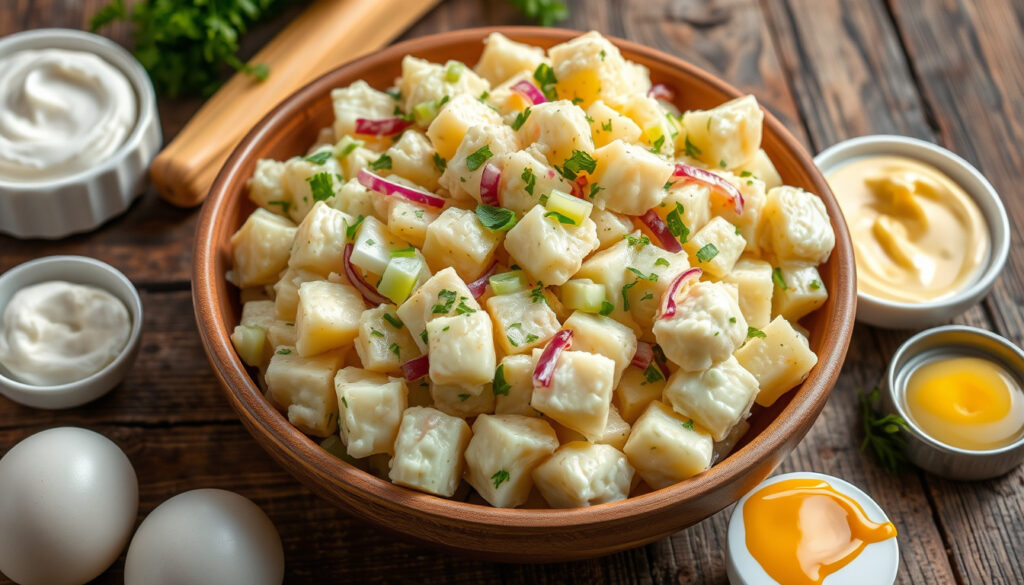
How to Make Potato Salad – Perfect Texture and Flavor Guide
What Ingredients Do You Need for Potato Salad?
A classic potato salad relies on just a handful of pantry staples. At its heart, the dish combines tender boiled potatoes with a creamy, tangy dressing and crunchy add-ins that create contrast in both texture and flavor. The specific ingredients can vary by region and personal preference, but most recipes center around a similar foundation of potatoes, mayonnaise, mustard, vinegar, and eggs.
Understanding what goes into potato salad helps home cooks make informed choices about quantities and substitutions. Whether preparing a traditional American version for a backyard barbecue or exploring international interpretations, the quality of individual components directly affects the final result.
Core Ingredients Breakdown
Potatoes form the foundation of any potato salad. Most recipes call for 2 to 5 pounds of potatoes, cut into ½ to ¾ inch cubes. The choice of potato variety significantly impacts the final texture of the dish. Yukon Gold potatoes are widely recommended as the top choice, offering a creamy texture and the ability to hold their shape after boiling. Red potatoes represent another strong option, with waxy flesh that maintains structure and minimal water retention.
Russet potatoes and other starchy varieties like Idaho, Sebago, or Maris Piper can work well for a more rustic, mashable texture, though they risk becoming mushy if overcooked. New potatoes should generally be avoided, as their firm texture can lead to soupy dressing. Some recipes recommend peeling russets while leaving the thin skins of Yukon Gold or red potatoes intact.
- Use Yukon Gold or red potatoes for best results
- Cut potatoes into uniform ½-¾ inch cubes for even cooking
- Dress potatoes while still warm for better sauce absorption
- Refrigerate assembled salad for at least 2 hours before serving
- Finely mince onions to prevent excess moisture distribution
- Quality mayonnaise makes a noticeable difference in flavor
| Ingredient | Amount | Role |
|---|---|---|
| Potatoes | 2-5 pounds | Base, structure |
| Mayonnaise | ¾-2 cups | Creaminess, richness |
| Mustard | 1-2 tablespoons | Tang, flavor depth |
| Apple cider vinegar | 1-2 tablespoons | Sharpness, brightness |
| Hard-boiled eggs | 4-5 (optional) | Additional creaminess |
| Celery | 1-2 stalks, diced | Crunch |
| Onions | ¼ cup, minced | Freshness, bite |
How to Boil and Prep Potatoes for Perfect Texture
The boiling process determines whether your potato salad will have creamy interiors with intact cubes or mushy pieces that fall apart. Getting this step right separates a excellent dish from a mediocre one. The key lies in choosing the right potato variety and monitoring the cooking time carefully.
Selecting and Cutting Potatoes
Before boiling, wash potatoes thoroughly under cool running water. Cut them into uniform cubes of ½ to ¾ inch—this size ensures even cooking throughout. Peeling is optional depending on the variety. Yukon Gold and red potatoes have thin, tender skins that many cooks leave intact. Russet potatoes typically require peeling for the best texture.
The Boiling Process
Place cubed potatoes in a large pot and cover them with cold water. Bringing potatoes to a boil in cold water rather than hot helps them cook more evenly from the outside in. Once the water reaches a rolling boil, reduce the heat to a gentle simmer. Cooking time ranges from 8 to 15 minutes depending on the potato type and cube size.
Start checking for doneness around the 8-minute mark by piercing a cube with a fork. The potatoes should be tender enough to easily penetrate but still hold their shape firmly. Yukon Gold potatoes typically take about 10 to 12 minutes after the water boils. Starchy varieties like russets may require slightly longer cooking times. Testing early and frequently prevents overcooking, which is the most common mistake in potato salad preparation.
Begin timing only after the water reaches a full boil. Different potato varieties absorb heat differently, and starting timing too early leads to inconsistent results.
Step-by-Step: How to Make Potato Salad from Scratch
Once the potatoes are properly boiled and drained, the assembly process begins. The sequence of adding ingredients matters more than many home cooks realize. Following a logical order ensures each component integrates properly and flavors develop fully during the chilling period.
Preparing Hard-Boiled Eggs
If your recipe includes eggs, prepare them before or during the potato boiling process. Place eggs in a single layer in a pot and cover with cold water. Bring to a boil, then remove from heat and let stand for 10 to 12 minutes. Transfer to an ice bath to stop the cooking process. Peel eggs under cool running water for easier removal of shells. Once peeled, chop the eggs into bite-sized pieces.
Building the Dressing
While potatoes cool slightly, prepare the dressing. In a small bowl, whisk together mayonnaise, mustard, apple cider vinegar, and any seasonings like celery seeds, paprika, salt, and pepper. The exact proportions depend on personal taste, but most recipes suggest starting with about 1 cup of mayonnaise, 1 to 2 tablespoons of mustard, and 1 to 2 tablespoons of vinegar.
Combining Components
The traditional approach involves dressing the potatoes while they are still warm—neither piping hot nor fully cooled. Warm potatoes absorb the dressing more readily than cold ones, resulting in better flavor integration and reduced wateriness. Some cooks toss the warm potatoes with vinegar first to let it penetrate before adding the mayonnaise-based dressing.
Gently fold in the chopped eggs, diced celery, minced onions, and any fresh herbs like dill or chives. Use a large spatula and fold rather than stir aggressively to avoid breaking the potato cubes. Taste and adjust seasoning with additional salt, pepper, or vinegar as needed. Transfer to a serving bowl, cover, and refrigerate for at least 1 to 4 hours before serving.
For deeper flavor, add pickle relish or pickle brine to the dressing. The tangy, salty liquid adds complexity that simple vinegar alone cannot achieve.
Tips to Prevent Watery Potato Salad and Common Mistakes
Watery potato salad ranks among the most frequent complaints from home cooks. This problem typically stems from one of three sources: excess moisture released from overcooked potatoes, insufficient drainage, or dressing applied when potatoes were too cold. Addressing these issues requires attention to technique rather than expensive equipment.
Understanding the Water Problem
When potatoes cook too long, their cell walls break down excessively, releasing starches and water into the surrounding liquid. Similarly, shocking boiled potatoes with cold water causes rapid contraction that forces moisture out. The solution involves precise cooking times and gradual cooling. Drain potatoes thoroughly and allow them to cool in a single layer on a clean kitchen towel or baking sheet rather than sitting in a strainer.
Dressing Temperature Matters
Cold potatoes repel oil-based dressings, causing the mixture to sit in pools rather than absorbing into the starch cells. Warm potatoes, conversely, have expanded starch molecules that readily accept fats and seasonings. Aim for potatoes that feel warm to the touch but no longer steaming actively. If potatoes have cooled too much during chopping, briefly return them to a low warm setting for 1 to 2 minutes before dressing.
Avoid adding dressing to potatoes that are still extremely hot. Extreme heat can cause mayonnaise to break and separate, resulting in a grainy, unappetizing texture.
Onion Considerations
Raw onions contain significant moisture that gradually releases into the salad over time. To minimize watery results, finely mince onions rather than dicing them into larger pieces. Some cooks briefly soak minced onions in cold water for 5 to 10 minutes, then drain thoroughly before adding. This technique mellows both the sharpness and the moisture content.
Storage, Make-Ahead, and Serving Advice
Potato salad stores well, making it an ideal dish for meal prep and entertaining. Understanding proper storage techniques ensures food safety while allowing flavors to develop and meld over time.
Refrigerator Storage
Transfer completed potato salad to an airtight container and refrigerate promptly. Properly stored potato salad remains safe to eat for 4 to 5 days in the refrigerator. The flavor actually improves after the first day as the potatoes absorb the dressing more fully. Do not leave potato salad at room temperature for more than 2 hours during serving, as per standard food safety guidelines.
Make-Ahead Strategy
Making potato salad a day ahead suits busy schedules and party planning. Prepare the dish up to 24 hours in advance, cover tightly, and refrigerate overnight. The extended chilling time allows all components to marry together, often producing superior results compared to serving immediately after assembly. Simply remove from the refrigerator 15 to 20 minutes before serving to take the chill off slightly. For a delicious twist, consider trying this sake potato salad recipe. sake potato salad recipe
Freezing Not Recommended
Freezing potato salad is not advised. The high water content in potatoes and the emulsified mayonnaise dressing do not survive thawing well. Ice crystals form during freezing, rupturing potato cells and breaking the dressing emulsion. The result after thawing typically presents as mushy potatoes floating in separated liquid.
For those planning larger gatherings, consider preparing components separately and combining just before serving. Boil and cube potatoes, prepare dressing, and chop add-ins in advance. Store each component separately and assemble when ready to eat.
Popular Variations Like Southern or German Potato Salad
While the creamy American-style potato salad dominates backyard barbecues, regional variations offer distinct flavor profiles worth exploring. Two of the most prominent alternatives—Southern and German interpretations—represent fundamentally different approaches to this versatile side dish.
Southern Potato Salad
Southern potato salad typically emphasizes richness and a more rustic presentation. Hard-boiled eggs feature prominently, often with some whites crumbled into the mixture. Sweet pickle relish adds distinctive sweetness that balances the tangy mustard and vinegar. Yellow mustard provides pronounced flavor rather than subtle background notes. Celery and onions contribute crunch and bite, while paprika offers visual appeal and mild smokiness. Some versions even include partially mashing some potatoes to create a creamier, thicker consistency throughout.
German Potato Salad
German potato salad takes a dramatically different approach by eliminating mayonnaise entirely. Instead, a warm vinegar-based dressing coats the potatoes. Bacon fat often provides richness, with crispy bacon pieces scattered throughout. Mustard and vinegar create tangy flavor without the cooling effect of mayonnaise. German potato salad is typically served warm rather than chilled, making it suitable for colder months when creamy versions feel too heavy. Starchy potato varieties work better for this style, as the peeled potatoes can absorb the warm dressing more effectively.
Vegan Adaptations
Vegan potato salad replaces traditional mayonnaise with plant-based alternatives. Vegan mayonnaise products have improved significantly, offering similar creaminess and tang. Omitting eggs entirely and relying on pickle brine, mustard, vinegar, and garlic for flavor creates satisfying results. The same preparation methods apply, though texture and mouthfeel will differ slightly from egg-containing versions.
Timeline: From Raw Ingredients to Serving
Understanding the full process from ingredient preparation to serving helps home cooks plan their time effectively. Each stage requires attention, and proper pacing prevents the stress of last-minute assembly.
- Prep potatoes (10-15 minutes): Wash, peel if desired, cut into uniform ½-¾ inch cubes.
- Boil potatoes (8-15 minutes): Cover with cold water, bring to boil, simmer until fork-tender.
- Prepare eggs (parallel task, 15 minutes): Boil 10-12 minutes, ice bath, peel, chop.
- Drain and cool potatoes (5-10 minutes): Spread on clean surface to cool to warm temperature.
- Mix dressing (5 minutes): Whisk together mayo, mustard, vinegar, seasonings.
- Combine and fold (5-10 minutes): Toss warm potatoes with dressing, fold in eggs, vegetables, herbs.
- Chill and meld flavors (1-4 hours): Refrigerate covered, ideally overnight for best results.
- Serve (2 minutes): Remove from refrigerator, let stand briefly, garnish if desired.
What We Know Versus What Remains Uncertain
Certain aspects of potato salad preparation have clear consensus based on tested recipes, while other elements remain subject to personal preference and regional traditions.
| Established Information | Matters of Preference |
|---|---|
| Yukon Gold potatoes produce creamy, intact cubes | Eggs are optional—some recipes omit entirely |
| Dress warm potatoes for better absorption | Mayonnaise quantity varies widely (¾ to 2 cups) |
| Refrigeration extends safe consumption to 4-5 days | Peeling is optional for thin-skinned varieties |
| Overcooking causes wateriness and mushiness | Mustard type (yellow versus Dijon) is regional |
| Freezing dramatically degrades texture | Fresh herbs are optional additions |
| Finely minced onions distribute more evenly | Serving temperature (cold, room temp, warm) varies |
Historical Context and Nutritional Profile
Potato salad traces its roots to European traditions, particularly German cuisine, which featured vinegar-based potato preparations. German immigrants brought these preparations to America in the 19th century, where the addition of mayonnaise reflected American tastes and ingredient availability. The classic American potato salad—creamy, tangy, and studded with eggs—became a staple at picnics and family gatherings across the country.
A single serving of traditional potato salad (approximately 1 cup) contains roughly 300 to 400 calories. The potato component contributes 30 to 40 grams of carbohydrates, while the mayonnaise adds 20 to 25 grams of fat. Protein content ranges from 5 to 8 grams per serving when eggs are included. Fresh herbs and vegetables provide vitamins A, C, and K, though these amounts vary based on specific ingredients used. Vegan versions typically contain less protein but similar calorie levels depending on the substitute mayonnaise chosen.
For those interested in food safety during outdoor events, consulting resources like the FDA food safety guidelines for picnics provides practical recommendations for keeping cold dishes at safe temperatures.
Expert Perspectives and Tested Approaches
Recipe developers and test kitchen professionals have extensively studied potato salad preparation to identify optimal techniques. Their findings consistently point toward using high-quality mayonnaise as one of the most impactful choices a home cook can make. The flavor of the dressing dominates the finished dish, making store-bought or homemade mayo a critical decision point.
The difference between a good and great potato salad often comes down to dressing temperature. Warm potatoes absorb the flavors while cold potatoes repel them.
— Test kitchen findings from multiple recipe developers
Professional cooks also emphasize the importance of seasoning adjustments at multiple stages rather than relying solely on the initial dressing. Tasting and adjusting before serving ensures properly seasoned results, as potatoes can require more salt than expected once fully chilled and combined.
Summary: Key Takeaways for Perfect Potato Salad
Creating excellent potato salad involves understanding a few fundamental principles. Yukon Gold or red potatoes provide the ideal texture balance between creaminess and structural integrity. Boil potatoes until just fork-tender, then dress them while still warm for optimal absorption. Allow the assembled salad to chill for at least two hours—preferably overnight—to let flavors meld properly. Store any leftovers in airtight containers for up to five days, and always maintain proper refrigeration during serving.
Whether following a traditional creamy American recipe or exploring German vinegar-style variations, these foundational techniques apply across styles. For additional dessert recipes to complement your next gathering, or planning guides for sending invitations, browse related content on our site.
Frequently Asked Questions
Do you put eggs in potato salad?
Eggs are optional. Traditional American recipes often include hard-boiled eggs for added creaminess and protein, while some regional variations and vegan adaptations omit them entirely.
How far in advance can you make potato salad?
Potato salad tastes best when made 1 day in advance. Prepare it up to 24 hours ahead, refrigerate overnight, and serve the next day for optimal flavor development.
Why is my potato salad watery?
Wateriness typically results from overcooking potatoes, shocking them with cold water, or dressing them when too cold. Cool potatoes gradually and dress them while warm to prevent this issue.
What potatoes are best for potato salad?
Yukon Gold potatoes are widely considered the best choice, offering creamy texture and good shape retention. Red potatoes are another excellent waxy option.
How long does potato salad last in the refrigerator?
Properly stored potato salad remains safe to eat for 4 to 5 days in the refrigerator when kept in an airtight container.
Should you peel potatoes for potato salad?
Peeling is optional. Thin-skinned varieties like Yukon Gold and red potatoes can be left unpeeled. Russet potatoes typically benefit from peeling for better texture.
Can you make potato salad without mayonnaise?
Yes. German-style potato salad uses vinegar-based dressings without mayonnaise. Vegan versions replace mayo with plant-based alternatives.
How long should potato salad chill before serving?
Allow potato salad to chill for at least 1 to 4 hours before serving. Overnight refrigeration produces the best-flavored results as flavors meld together.
More related posts
 Credit Cards for Bad Credit: Easiest Approval & Best Options 2025
 Charlotte Hornets vs Atlanta Hawks Match Player Stats
 As Above So Below Meaning: Origins, Bible & Alchemy
 2024 Tesla Model Y: Price, Range & Irish Buyer Guide
 Jake Paul vs Anthony Joshua Date: Fight Time & Results
 Oreimo: Plot, Ending & Controversy Explained
 Argentina National Team 2026: Messi’s Future, Squad & Brazil
 New Year’s Eve Countdown: Watch, Stream & Timers for 2027