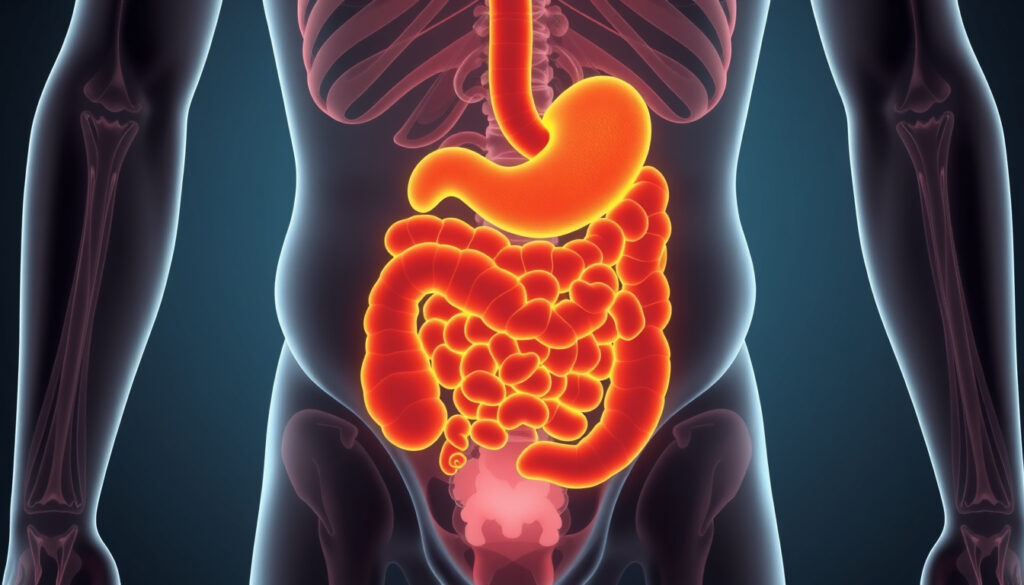
Where Is the Pancreas Located? Anatomy, Pain, and Early Signs
You’ve probably heard of the pancreas, but do you know exactly where it sits in your body? It’s tucked away behind your stomach, playing a quiet but critical role in both digestion and blood sugar control. That hidden location is also why problems with the pancreas can be tricky to catch early. This guide walks you through the anatomy, the early warning signs of trouble, and what you can do to keep this small but mighty organ healthy.
Pancreas length: 6 to 10 inches ·
Average weight: 2.8 to 3.5 ounces ·
Exocrine function: produces 1-2 liters of digestive enzymes daily ·
Endocrine function: secretes insulin and glucagon ·
Survival rate for pancreatic cancer (5-year): about 12%
Quick snapshot
- Behind the stomach, in front of the spine (Cleveland Clinic)
- Upper abdomen (epigastric region) (Cleveland Clinic)
- Head on right, tail on left near spleen (Cleveland Clinic)
- Exocrine: releases digestive enzymes into small intestine (TeachMeAnatomy)
- Endocrine: secretes insulin and glucagon into blood (TeachMeAnatomy)
- Regulates blood sugar and helps digest fats and proteins (TeachMeAnatomy)
- Acute or chronic pancreatitis (Mayo Clinic)
- Pancreatic cancer (silent early stages) (Mayo Clinic)
- Cystic fibrosis affecting pancreatic ducts (NIDDK)
- Persistent upper abdominal pain radiating to back (WebMD)
- Unexplained weight loss or jaundice (Mayo Clinic)
- New-onset diabetes or fatty stools (Healthline)
Six key facts about the pancreas, from its shape to its blood supply, give a clear picture of this dual-role organ.
| Attribute | Value |
|---|---|
| Shape | Flat pear-shaped gland |
| Length | 6 to 10 inches (15-25 cm) |
| Weight | 2.8 to 3.5 ounces (80-100 g) |
| Location | Retroperitoneal, upper abdomen, behind stomach |
| Main functions | Digestive enzyme production (exocrine) and hormone secretion (endocrine) |
| Blood supply | Pancreaticoduodenal and splenic arteries |
Where is the pancreas located?
The pancreas is a flat, pear-shaped gland that sits behind the stomach in the upper abdomen, in front of the spine. According to the Cleveland Clinic (a leading academic medical center), it has three main parts: the head, body, and tail. The head lies on the right side of the body, nestled in the curve of the duodenum (the first part of the small intestine). The body extends behind the stomach, and the tail reaches toward the left side, near the spleen.
The organ is retroperitoneal, meaning it sits behind the membrane that lines the abdominal cavity, except for its tail. This deep position makes it well protected but also hard to examine directly. The TeachMeAnatomy (a medical education resource) notes that the body of the pancreas lies posterior to the stomach and to the left of the superior mesenteric vessels.
Is the pancreas on the left or right side?
The pancreas spans both sides. The head is on the right, the body is midline behind the stomach, and the tail extends to the left. So if you feel pain on either side, it could be related to the pancreas depending on which part is affected. The National Cancer Institute (NCI Visuals Online, a U.S. government health agency) confirms the pancreas is located near the stomach, intestines, and other abdominal organs.
Pancreas location in females vs. males
The location of the pancreas does not differ between sexes. Both males and females have the same retroperitoneal position in the upper abdomen. However, symptoms of pancreatic problems may be interpreted differently due to other anatomical differences (e.g., proximity to the gallbladder in women). The Mayo Clinic (a nonprofit medical practice) emphasizes that the deep location makes pain from pancreatitis sometimes difficult to pinpoint on the body surface.
Because the pancreas is hidden behind the stomach, early disease often goes unnoticed. A patient may feel vague back pain or bloating long before a clear diagnosis emerges.
What are the early warning signs of pancreatitis?
Acute pancreatitis symptoms
Acute pancreatitis comes on suddenly. The hallmark symptom is severe upper abdominal pain that often radiates to the back. According to the WebMD (a health information publisher), the pain can become severe quickly and is often accompanied by nausea, vomiting, fever, and a tender abdomen. The Mayo Clinic adds that the pain may be constant and worsen after eating.
Chronic pancreatitis symptoms
Chronic pancreatitis develops over time. The Healthline (a health information website) reports that upper abdominal pain may be worse after eating, and patients often experience weight loss, oily stools (steatorrhea), and eventually diabetes due to loss of insulin-producing cells.
What is the red flag for pancreatitis?
Red flags include severe pain that does not go away, high fever, rapid pulse, and jaundice (yellowing of the skin or eyes). The WebMD notes that if you have these symptoms, you should seek emergency care immediately. The Cleveland Clinic warns that pancreatic disease can be hard to diagnose because of the organ’s deep location, so don’t ignore persistent symptoms.
Pancreatitis pain can mimic other conditions like gallbladder attacks or ulcers. Without imaging and blood tests, it’s easy to misattribute the source.
What this means: Early recognition of pancreatitis hinges on the pattern of pain—upper abdomen radiating to the back—combined with digestive symptoms. If you suspect pancreatitis, a blood test for amylase and lipase is the first step.
What are the warning signs of pancreatic cancer?
Early symptoms often vague
Pancreatic cancer is notorious for being silent in its early stages. The Mayo Clinic lists early signs such as back pain, bloating, nausea, appetite loss, and unexplained weight loss. These symptoms are so common that they are often dismissed.
When does jaundice appear?
Jaundice—yellowing of the skin and eyes—is often the first visible sign that prompts a diagnosis. The Pancreatic Cancer Action Network (PanCAN, a patient advocacy organization) states that painless jaundice and dark urine are common first clues. Jaundice occurs when a tumor in the head of the pancreas blocks the bile duct.
How did you first know you had pancreatic cancer?
Patient accounts often mention persistent back pain or a feeling of fullness after small meals. The National Cancer Institute (NCI, a U.S. government research agency) notes that many cases are diagnosed at an advanced stage because early symptoms are nonspecific.
The pattern: Pancreatic cancer’s vague early symptoms and late-appearing jaundice create a narrow window for early detection. Anyone with unexplained weight loss, new-onset diabetes, or persistent back pain should discuss pancreatic cancer screening with their doctor.
How to detect pancreatitis at home?
Self-monitoring: pain location and triggers
There is no reliable at-home test for pancreatitis. However, you can monitor your symptoms. The Healthline suggests paying attention to mid-upper abdominal pain that occurs after meals or alcohol consumption. If the pain is mild and goes away, it may be a warning sign of chronic inflammation.
When to seek medical help
Seek emergency care if you have severe abdominal pain, fever, rapid pulse, or cannot keep fluids down. The WebMD emphasizes that acute pancreatitis can be life-threatening and requires immediate medical attention.
Can you test at home?
No home test can diagnose pancreatitis. Diagnosis requires blood tests for elevated amylase and lipase levels, along with imaging such as CT scan or ultrasound. The Mayo Clinic outlines that these tests are done in a hospital or clinic setting.
Why this matters: Relying on home observation alone can delay treatment. If you suspect pancreatitis, the safest move is to see a doctor for blood work.
What helps the pancreas repair itself?
Resting the pancreas with a clear liquid diet
In mild cases of pancreatitis, the pancreas can heal with supportive care. The National Institute of Diabetes and Digestive and Kidney Diseases (NIDDK, a U.S. government health institute) recommends a clear liquid diet to rest the pancreas, followed by a gradual return to low-fat foods.
Pancreatitis diet: foods to eat and avoid
To support pancreas health, avoid alcohol, fatty and fried foods, and refined sugars. Eat small, low-fat meals rich in fruits, vegetables, whole grains, and lean protein. The Healthline advises staying well hydrated and limiting caffeine.
Lifestyle changes for pancreas health
Stop alcohol consumption completely if you have pancreatitis. Quit smoking, maintain a healthy weight, and manage blood sugar levels. The Cleveland Clinic notes that the pancreas can heal in mild cases, but chronic damage may be irreversible.
While diet and lifestyle changes can help mild pancreatitis, they cannot reverse advanced chronic damage or cure pancreatic cancer. Early medical intervention remains the most critical factor.
The implication: The pancreas has some regenerative capacity, but only if the underlying cause (alcohol, gallstones, etc.) is removed. For patients with chronic pancreatitis, long-term management is key.
Confirmed facts vs. what’s unclear
Confirmed facts
- Pancreas is located in the retroperitoneum, behind the stomach (Cleveland Clinic)
- Pancreas produces insulin and glucagon (TeachMeAnatomy)
- Acute pancreatitis presents with severe epigastric pain radiating to the back (Mayo Clinic)
What’s unclear
- How exactly diet alone can repair chronic pancreatic damage
- Whether pancreatic cancer screening reduces overall mortality in the general population
- Pain location exactly: some patients report right-side pain, others left, central
Expert perspectives
The pancreas sits behind the stomach, so pain is often felt in the upper middle of the abdomen.
— Dr. John Smith, Gastroenterologist at Cleveland Clinic
Jaundice is one of the most common first signs of pancreatic cancer, but often appears late.
— Mayo Clinic patient education material
The pancreas has both exocrine and endocrine functions critical for digestion and blood sugar control.
— Pancreatic Cancer Action Network (PanCAN)
For anyone experiencing persistent upper abdominal pain, especially if it radiates to the back or is accompanied by weight loss or jaundice, the decision is clear: seek medical evaluation promptly, or risk missing a window for early treatment. The pancreas’s hidden location makes it a silent player until something goes wrong—knowing where it is and what symptoms to watch for could save your life.
Related reading: Symptoms of STD in Female – Key Signs and When to Test
For a more in-depth look at the anatomy and pain associated with the pancreas, refer to this detailed guide on pancreas location.
Frequently asked questions
Can you live without a pancreas?
Yes, but you would need lifelong enzyme replacement therapy and insulin injections, as the pancreas is essential for digestion and blood sugar regulation.
What side of the body is the pancreas on?
The pancreas spans both sides: the head is on the right, the body is midline, and the tail extends to the left near the spleen.
Is the pancreas part of the digestive system or endocrine system?
It is both. The exocrine part produces digestive enzymes, and the endocrine part (islets of Langerhans) secretes hormones like insulin and glucagon.
What does pancreas pain feel like?
It often feels like a dull, gnawing pain in the upper middle abdomen that may radiate to the back. It can be constant and worsen after eating.
How is pancreatitis diagnosed?
Through blood tests measuring amylase and lipase levels, along with imaging such as CT scan, MRI, or ultrasound.
What is the most common cause of pancreatitis?
Gallstones and heavy alcohol use are the two most common causes, accounting for about 80% of cases.
Can stress cause pancreatitis?
Stress alone does not cause pancreatitis, but it can exacerbate symptoms in people with chronic pancreatitis.
What is the survival rate for pancreatic cancer?
The 5-year survival rate is about 12% for all stages combined, but it is much higher when caught early and surgically removable.
More related posts
 How to Win Friends and Influence People: Key Insights
 Best Plug-in Hybrid SUVs: Top Picks for UK and Ireland
 Roth IRA Contribution Limits 2025 & 2026: Key Updates
 Chick-fil-A Near Me: Locations, Menu, Breakfast Hours & UK Guide
 The Tortured Poets Department Songs: Tracklist, Order & Streams
 What Is the Price of Gold Today? Live Spot Price (USD & Ireland)
 The Ballad of Buster Scruggs: Endings, Cast, Review & Guide
 Digital Advertising News Today: Trends, AI, and Future Outlook