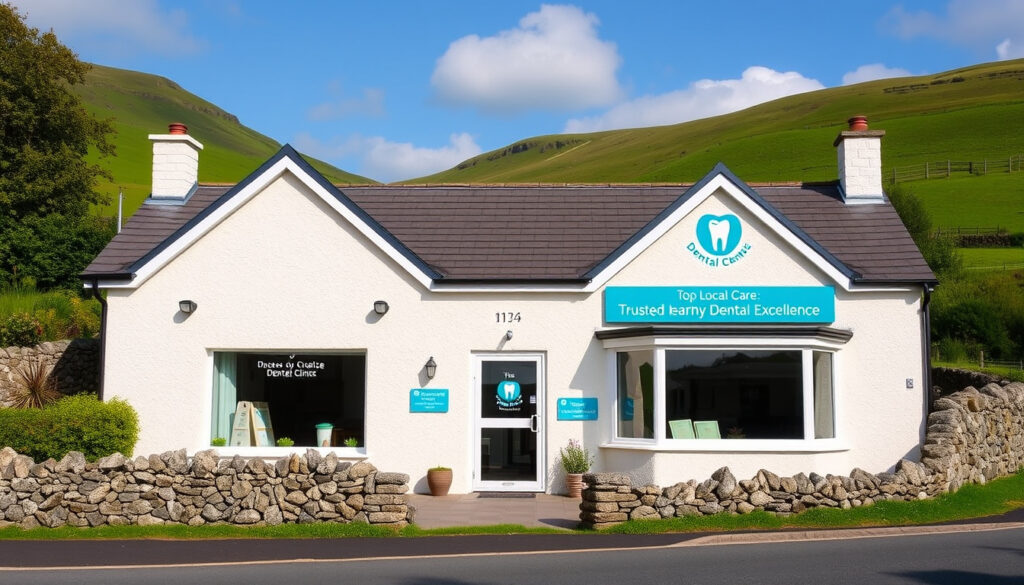
Best Dentist Near Me: How to Find Top Local Care in Ireland
If you’ve ever typed “best dentist near me” while wincing through a toothache, you already know the stakes feel higher than a routine checkup — choosing someone to poke around your mouth takes trust, and in Ireland, it also means navigating Medical Cards, HSE entitlements, and a shortlist that runs from Cork to Carlow to Navan.
Humana tips: 6 · Key factors in LA guide: 5 · Damaging habits listed: 10 · Top Yelp dentists Cork: 10 listed · Boyne Dental services: cosmetic, general, kids, orthodontics
Quick snapshot
- WhatClinic lists 527 dentists in Ireland (WhatClinic)
- College Gate Dental won 2023 Best Practice in Ireland award (College Gate Dental)
- Exact pricing tiers at most clinics without direct enquiry
- Current wait times for new medical card patients
- DTSS entitlements apply per calendar year — book early to secure fillings quota (Truly Dental)
- Use the steps below to shortlist, then verify Medical Card acceptance before booking
The following data points give you a baseline for comparing Irish dental practices across regions and review volumes.
| Item | Value |
|---|---|
| Top Yelp Cork dentists | 10 listed |
| Humana tips count | 6 |
| Boyne Dental location | Navan |
| Carlow dentist focus | Family-oriented |
| Irish dentists on WhatClinic | 527 |
| Dublin County listings | 212 clinics |
| Medical card age threshold | 16+ |
| Annual DTSS exams covered | 1 per year |
How do you find the best dentist in your area?
Five hundred and twenty-seven dentists populate WhatClinic’s Irish listings, but sorting the right one for you means looking beyond star ratings alone. Here’s how to filter smart.
Check online reviews
Platforms like WhatClinic verify patient reviews for credibility — a detail that separates genuine feedback from promotional noise. Dublin County alone boasts 212 clinics with 696 verified reviews, giving you a dense dataset to compare (WhatClinic Dublin listings). Look for patterns: are recurring complaints about wait times, billing, or chairside manner? A pattern of five-star reviews with generic text warrants healthy skepticism.
- Cross-reference at least two platforms (Google, WhatClinic, Doctify)
- Prioritize recent reviews (within 12 months) over older bulk ratings
- Note how the practice responds to negative reviews — professionalism matters
Verify credentials and experience
In Ireland, dental practitioners must be registered with the Dental Council of Ireland. While you won’t find a public blacklist, award-winning practices offer transparent benchmarks. College Gate Dental in Glasnevin, Dublin took the 2023 Irish Dentistry Award for Best Dental Practice in Ireland — an objective signal backed by peer review (College Gate Dental). Hungarian Dental Clinic in Naas carries a 4.84/5 rating from 38 Doctify reviews, placing it among Greater Dublin’s top-rated public health dental options (Doctify Greater Dublin listings).
Awards and verified ratings aren’t marketing fluff — they reflect peer-validated quality you can independently confirm before you sit in the chair.
Consider location and availability
Convenience drives consistency. If you’re in Navan, Boyne Dental offers cosmetic, general, kids, and orthodontic services under one roof — reducing the need to travel for specialized work. For Carlow residents, The Dental Suite accepts Medical Cards in Carlow and Athy alongside South Dublin, making regional access practical (The Dental Suite). Check whether the practice offers evening or weekend slots, especially if you work standard hours.
The implication: geographic clustering of quality matters. Dublin, Cork, and the larger towns concentrate the highest-rated and most-reviewed practices, while rural access often requires travelling to county towns or relying on mobile clinic services.
How do you know if a dentist is good?
A glowing website and a friendly receptionist can mask red flags that become obvious only during treatment. Here’s what separates competent care from a clinic more focused on upselling than outcomes.
Patient reviews and ratings
Verified review counts tell a story: practices with hundreds of reviews tend to have enough patient volume to suggest reliable footfall — but only if the reviews are independently sourced. WhatClinic verifies each submission, filtering out clinic-posed testimonials (WhatClinic Ireland listings). When comparing, pay attention to the distribution: a clinic with 4.6 stars across 200 reviews beats one with 4.9 stars across 12.
Your oral health should never be compromised due to financial constraints. — Green Dental clinic statement
Office cleanliness and technology
High-tech practices like Boyne Dental and Shandon Dental in Cork invest in digital imaging, modern sterilization equipment, and comfortable waiting areas — signals of operational standards, not just aesthetics. When you first enter, note whether staff members glove and mask appropriately, whether surfaces are wiped between patients, and whether the equipment looks recently purchased versus worn. These details reflect a practice’s investment in clinical safety.
Communication style
A good dentist explains before they act. During an initial consultation, notice whether the practitioner walks you through findings on an intraoral camera, discusses treatment options with pros and cons, and doesn’t rush the conversation when you ask questions. Practices like College Gate Dental emphasize transparent communication alongside their award-winning standards — the combination is what keeps patients returning (College Gate Dental award announcement).
Rushed appointments often signal understaffed or volume-driven clinics where the dentist’s incentive structure rewards throughput over thorough examination.
The pattern: the best practices combine verified patient volume, modern infrastructure, and a communication style that makes you feel like a participant in your own care — not a line item on a productivity chart.
What are the red flags of a bad dentist?
Not every clinic that looks polished delivers competent care. Watch for these warning signs that established dental associations and patient advocacy groups consistently flag.
Aggressive upselling
If a dentist recommends expensive cosmetic procedures you didn’t ask about, or frames routine care as urgently necessary within days, treat that as a commercial signal — not a clinical one. DTSS covers one annual exam, two fillings, unlimited extractions, and one scale and polish per year for Medical Card holders aged 16+ (The Dental Suite DTSS summary). Any pressure to skip the scheme’s covered services in favour of private alternatives warrants a second opinion.
Poor hygiene standards
A visibly dirty practice — stained countertops, reused instruments left in open trays, staff without gloves — crosses a non-negotiable line. Under HSE guidelines, dental practices must follow strict infection control protocols. If you see shortcuts, walk out and report the practice to the Irish Dental Council.
Rushed appointments
Standard new-patient exams run 30–45 minutes. If you’re in and out in fifteen minutes, the dentist likely hasn’t conducted a thorough soft-tissue screening, periodontal charting, or bite assessment. Brian Hickey Dental Surgery in Cork emphasizes affordable quality dentistry without cutting time shortcuts — a philosophy reflected in their medical card patient focus (Brian Hickey Dental Surgery).
Many clinics encourage early childhood dental visits, but the Medical Card DTSS scheme applies primarily to adults aged 16 and over — a gap parents should budget for privately or explore PRSI-based coverage options.
The trade-off: finding a practice that avoids these red flags often requires spending more time on upfront research, but the alternative — a botched filling, an undiagnosed gum issue, or a surprise bill for services you thought were covered — costs significantly more in money, pain, and recovery time.
What is the 2 2 2 rule for teeth?
The 2-2-2 rule is a simple oral hygiene mnemonic that dental professionals cite across Ireland and the UK as a baseline for healthy habits. It breaks down into three components:
Brush for 2 minutes
Most adults brush for 45 seconds — roughly a third of the recommended time. Two minutes ensures adequate contact with all tooth surfaces, including the lingual (tongue-facing) sides where plaque accumulates most. Use a timer or an electric toothbrush with a two-minute pulse mode to stay on track.
Twice a day
Brushing morning and night keeps bacterial load below the threshold that causes enamel demineralisation. Skipping the evening brush allows food debris and acids to sit overnight — the primary driver of morning breath and accelerated decay.
Floss daily
Toothbrush bristles clean only 60% of tooth surfaces. The interproximal spaces between teeth account for the remaining 40% — and only floss or interdental brushes reach them. Yorkshire Dental Suite and similar practices across Ireland include this guidance in their new-patient onboarding as a non-negotiable habit alongside the brushing cadence.
Ten habits damage teeth most, according to Humana’s dental guidance: chewing ice, nail-biting, sports drinks, bedtime bottle use in children, tongue piercings, teeth grinding, citrus overuse, carbonated drinks, sticky snacks, and using teeth as tools. The 2-2-2 rule addresses brushing hygiene — but these habits undermine it daily.
The implication: most people already brush, but the 2-2-2 rule’s real power lies in the daily flossing component that transforms a routine cleaning into comprehensive protection.
How do I choose a good dentist?
When the stakes include your mouth, jaw alignment, and long-term oral health costs, a casual Google search doesn’t cut it. Here’s a structured approach tailored to the Irish context — Medical Card acceptance included.
Medical card acceptance for Ireland
HSE DTSS entitlements for Medical Card holders aged 16 and over include one free dental examination per year, up to two fillings, unlimited extractions, one scale and polish, and dentures every five years (Truly Dental Medical Card page). Practices like Green Dental in Dublin, The Dental Suite across South Dublin, Carlow, and Athy, and Brian Hickey Dental Surgery in Cork all accept Medical Cards under this scheme. If you’re in Navan, Boyne Dental offers a broader service range but verify Medical Card acceptance directly — policies change.
- Confirm eligibility before booking — some clinics require a €30 deposit, refunded on attendance (Truly Dental)
- Additional treatments like dentures require prior HSE approval
- Dentists in Carlow that take medical card include The Dental Suite as a confirmed provider
Emergency services
Dental emergencies don’t wait for business hours. Slievemore Dental in Stillorgan, Dublin markets emergency care alongside routine services — worth noting if you’re in the Dublin area. For Navan residents, emergency dental access may require travelling to Trim or the larger Meath hospital dental department. Always call the clinic first; many reserve same-day slots for registered patients in acute pain.
Price transparency
WhatClinic lists prices starting from €40 across Irish dentists, giving you a baseline before committing. For private patients, ask for a written treatment plan with itemised costs before work begins. Practices like The Dental Suite and Truly Dental publish their Medical Card policies online — a transparency marker that often extends to private pricing conversations (Truly Dental).
Upsides
- 527 Irish dentists available through verified platforms
- Medical Card covers core services for 16+ holders across most regions
- Award-winning practices (College Gate Dental, 2023) offer peer-validated quality signals
- DTSS provides one scale and polish annually at no cost
- Emergency care available at select Dublin and urban clinics
Downsides
- Medical Card does not cover children under 16
- Dentures and cosmetic work require prior approval or private payment
- Rural areas have fewer Medical Card-accepting practitioners
- Some clinics charge booking deposits to deter no-shows
- Rushed appointments remain a common complaint in volume-driven practices
The trade-off: choosing a dentist purely on proximity risks settling for a practice without the verified volume, technology investment, or communication standards that prevent costly downstream problems.
How to vet a dentist: 6 steps
Based on Humana’s six-tip framework adapted for the Irish Dental landscape, here’s a step-by-step process to move from search to booking with confidence.
- Shortlist three practices within 30 minutes’ travel time. Include one Medical Card-accepting option even if you plan to go private — it expands your baseline options.
- Cross-reference reviews on WhatClinic and Google. Aim for a practice with 50+ verified reviews and a minimum 4.5-star average. Ignore outliers on either end.
- Check their Medical Card and DTSS policy page. Green Dental, Truly Dental, The Dental Suite, and Brian Hickey Dental publish this directly. If it’s not on their site, call to confirm before booking.
- Assess their service breadth. Practices like Boyne Dental (cosmetic, general, kids, orthodontics) handle most needs in-house — reducing referrals and travel.
- Book a new-patient consultation. Use this 30–45 minute appointment to evaluate the dentist’s chairside manner, the practice’s cleanliness, and whether they explain findings clearly.
- Confirm costs upfront. Request an itemised treatment plan. If the dentist recommends work you didn’t anticipate, ask for a second opinion before proceeding.
Spending an extra week on research now typically saves hundreds of euros and significant discomfort later — whether from unnecessary procedures, botched fillings, or missed DTSS entitlements.
What dentists and patients say
We are proud to announce that we accept Irish Medical Cards, ensuring that your oral health is our top priority, regardless of your financial circumstances. — Green Dental clinic statement
College Gate Dental won the 2023 Irish Dentistry award as the Best Dental Practice in the Republic of Ireland. — College Gate Dental clinic announcement
For Irish patients weighing Dental Cards against private care, the decision calculus is straightforward: if you’re eligible, use the DTSS entitlements for covered services and reserve private budget for cosmetic work, orthodontics, or child dental care under 16. Dublin and Cork residents have the most options — but even in Navan, Carlow, or Tralee, verified review platforms and the five-factor vetting framework above give you enough signal to book without gambling on a stranger.
Frequently asked questions
Does Boyne Dental take medical card?
Boyne Dental in Navan offers a broad range of services including cosmetic, general, kids, and orthodontic care. Medical Card acceptance should be confirmed directly with the practice, as DTSS participation varies and policies update.
What services does Shandon Dental offer?
Shandon Dental in Cork focuses on cosmetic and general dentistry, serving patients seeking aesthetic improvements alongside routine care. Their high-tech investment in modern imaging and comfortable facilities supports both restorative and cosmetic workflows.
Are there emergency dentists in Navan?
Emergency dental access in Navan may require travelling to Trim or relying on Boyne Dental’s extended hours if available. Slievemore Dental in Stillorgan (Dublin) explicitly markets emergency care. For acute dental pain, contact your nearest HSE dental department or hospital.
How often should I visit the dentist?
For adults with good oral health, a six-month check-up aligns with standard preventive guidance. Medical Card holders are entitled to one free examination per year under DTSS — but biannual visits allow earlier detection of gum disease and decay before they require extensive intervention.
What habits damage teeth most?
Humana’s guide identifies ten damaging habits: chewing ice, nail-biting, sports drinks, bedtime bottle use in children, tongue piercings, teeth grinding, citrus overuse, carbonated drinks, sticky snacks, and using teeth as tools. Pair awareness of these with the 2-2-2 brushing rule for comprehensive protection.
Is wisdom tooth extraction painful?
Modern anesthesia and sedation techniques make wisdom tooth extraction no more painful than a standard extraction during the procedure. Post-operative discomfort varies by impaction severity; most patients manage it with prescribed or over-the-counter pain relief for 3–5 days. DTSS covers unlimited extractions for Medical Card holders aged 16+.
What is the 2 year rule for dentists?
The “2 year rule” is a colloquial reference to the DTSS entitlements being recalculated on a per-calendar-year basis — meaning your annual exam, two fillings, and scale and polish reset every January, not every 12 months from your first appointment. Book early in the calendar year to secure your entitlements before other patients fill the slots.
Discerning top dental care in Ireland follows principles from any solid best dentist near me guide, emphasizing reviews, credentials, and location to avoid pitfalls.
More related posts
 How to Trim Video in VLC: Step-by-Step Guide (2025)
 Old Navy Black Friday 2025: Sale Dates, Deals & Tips
 Gum Swollen Around One Tooth in the Back? Causes & Relief
 Jane Krakowski Movies and TV Shows: Full Career Guide
 How to Make Cake Pops – Easy Beginner Recipe Guide
 How to Get Rid of Mice Fast: Traps, Scents & Exclusion Tips
 Spanish to English Translate: Best Free Tools Compared
 Tankless Water Heater Installation Near Me: Cost & Pros